Tips and Inspiration
From Unilever Beauty Experts
;Resize=(486,122))

In the war against acne, spot treatment is one of the best weapons available. This topical medication is loaded with powerful ingredients that target and neutralize the enemy at the source. But like any battle, you need a well-thought-out strategy to ensure victory.
Using your acne spot treatment correctly can spell the difference between a quick win and a lengthy struggle. Here’s a guide to applying this handy pimple fighter.
What Is a Spot Treatment?
Spot treatments are creams or gels used to treat specific areas of the skin. Acne spot treatments generally contain active ingredients, such as adapalene, azelaic acid, benzoyl peroxide, and salicylic acid to reduce inflammation faster. It shouldn’t be mistaken with spot correctors, which contain brightening ingredients to fade dark spots on the face.
Unlike most acne remedies, pimple spot treatments are not for daily use. The active ingredients are strong enough to address blemishes, but they can also irritate your skin when applied too frequently. So, it’s best to use your acne treatment on alternate days (and not together with exfoliants) unless the product specifically states it’s safe for daily application.
How to Apply Spot Treatment
Applying spot treatment involves more than just dabbing it onto your pimple and hoping for the best. Follow these steps for clearer skin.
Step #1: Wash your face clean
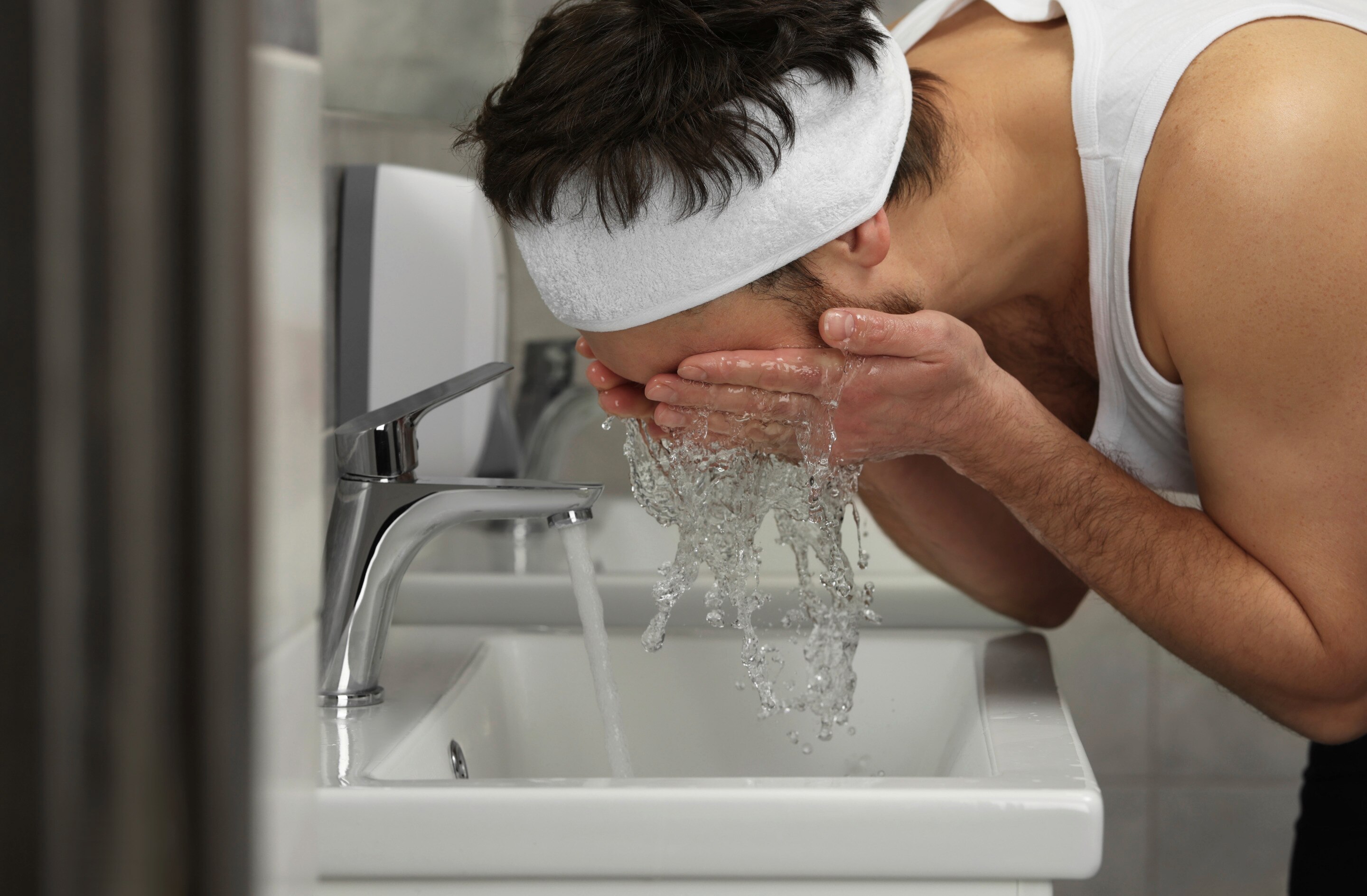
Cleansing is the foundation of any skincare routine. Do it upon waking up (unwashed pillowcases harbor bacteria, FYI!) and before you hit the sack at night. But if your skin feels tight or has some redness, wash your face at night and splash it with water in the morning.
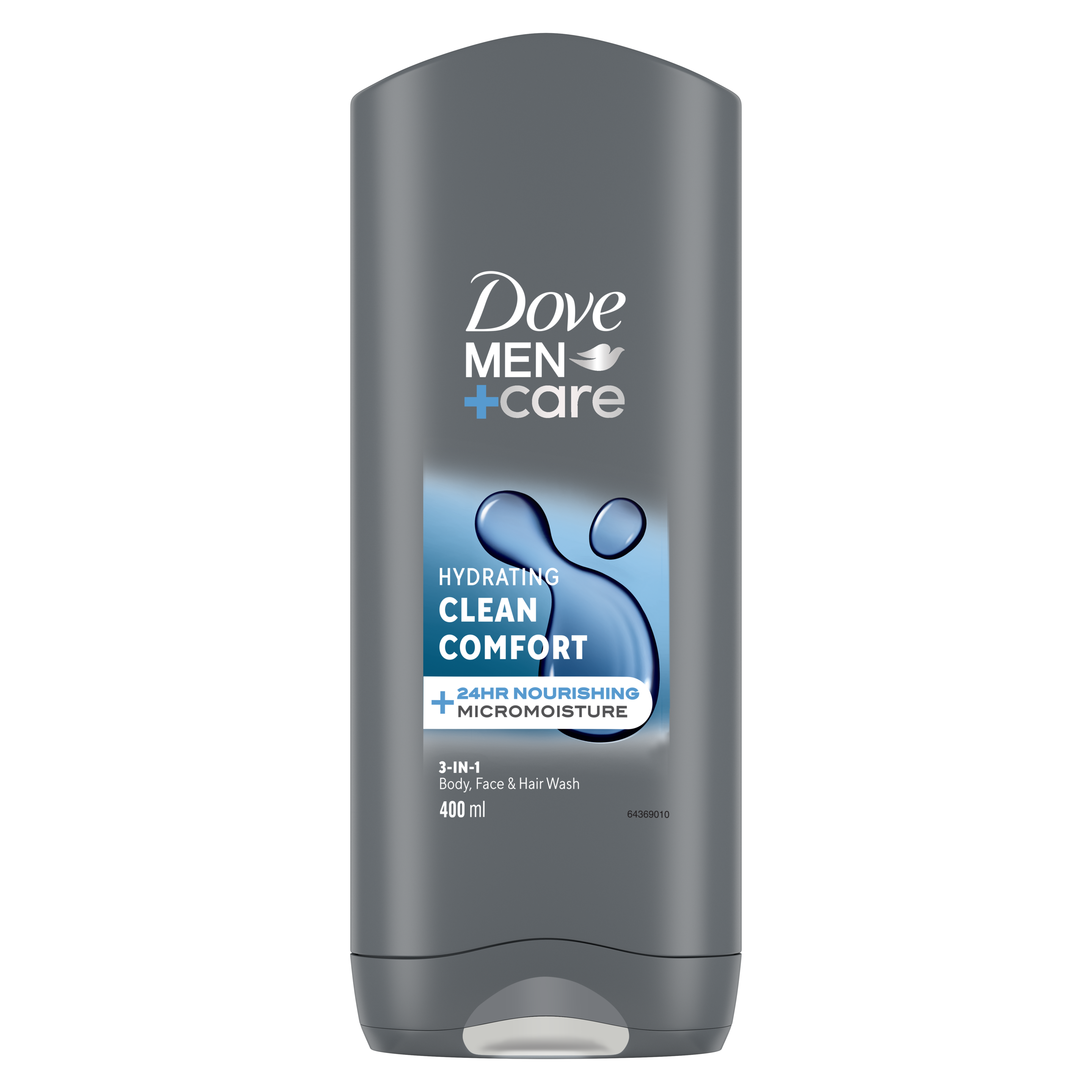
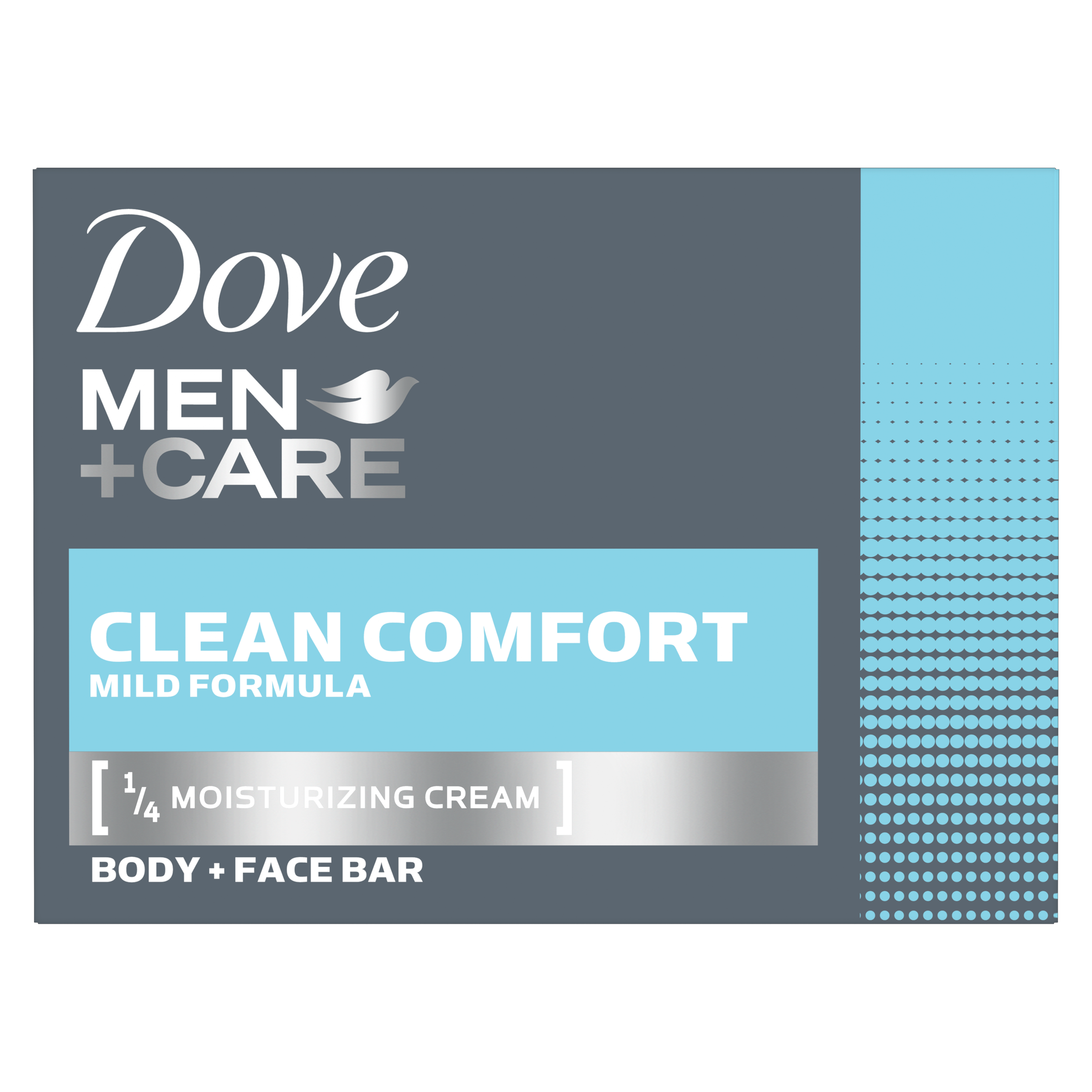
The type of cleanser you choose is also crucial. For a hydrating cleanse that won’t leave your face feeling tight, Dove Men+Care Clean Comfort Body, Face & Hair Wash delivers up to 24 hours of nourishment with MICROMOISTURE technology plus a refreshing menthol boost. If you prefer a bar format, the Dove Men+Care Clean Comfort Body+Face Bar offers gentle cleansing with ¼ moisturizing cream, for comfortable hydration and a fresh, clean scent without the dryness of ordinary soap.
Step #2: Slather on a serum.
Maybe your GF gifted you a bottle of face serum last Christmas, or perhaps you’re an advanced skincare bro. Either way, incorporating a serum can be a game-changer for your overall complexion – so use it if it fits your skin concerns.
There are many types of serums out there, but the best partner for spot treatments is the hydrating kind. Formulas with ceramides or hyaluronic acid can help mitigate the drying effect of your pimple cream. Just pat a few drops onto your face after cleansing and you’re good to go.
Step #3: Moisturize your skin.
Some folks apply spot treatment before moisturizer, believing that this approach allows the active ingredients to penetrate more deeply into the skin. However, many dermatologists recommend the opposite. Dr. Dea Florencia explains that moisturizer should come first to prevent the skin from peeling or getting irritated. Don’t worry, this order of application won’t affect the effectiveness of your acne treatment.
Step #4: Apply the spot treatment.
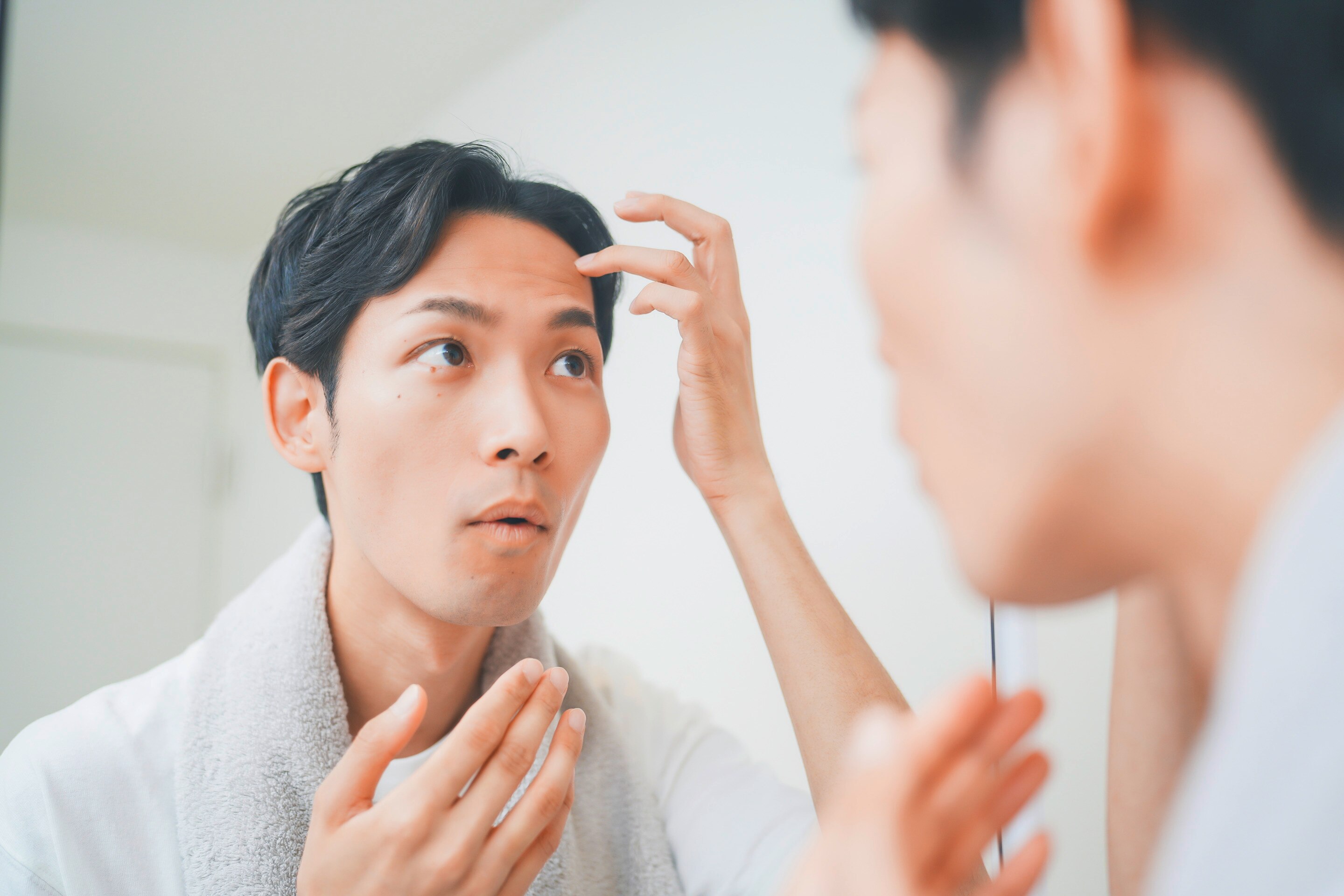
Squeeze a pea-sized dot of the spot treatment on a clean fingertip or a cotton swab. Gently dab it onto the pimple, covering the entire blemish without spreading it to the surrounding skin. Applying too much product may lead to dryness, so less is more in this case. Give it a few minutes before moving on to the next step.
Step #5: Protect your skin with SPF.
Breakouts or no breakouts, never skip sunscreen. Sunscreen shields your skin from UV radiation, which makes those acne scars look even darker. Moreover, certain zit-busting ingredients in spot treatments can cause your skin to be more sensitive to sun exposure, so don’t forget your SPF!
When you’re shopping for sunscreen, pick one with “non-comedogenic” written on the packaging. This means the formula doesn’t clog the pores. In terms of application, let your acne treatment dry completely before putting sunscreen all over your face.
How quickly your pimple shrinks depends in part on how you apply your spot treatment. That said, have patience. It may take days or weeks for the medication to show noticeable results. If you’re dealing with deep-seated acne and want it gone ASAP, visiting a dermatologist is your best bet.