Tips and Inspiration
From Unilever Beauty Experts
;Resize=(486,122))
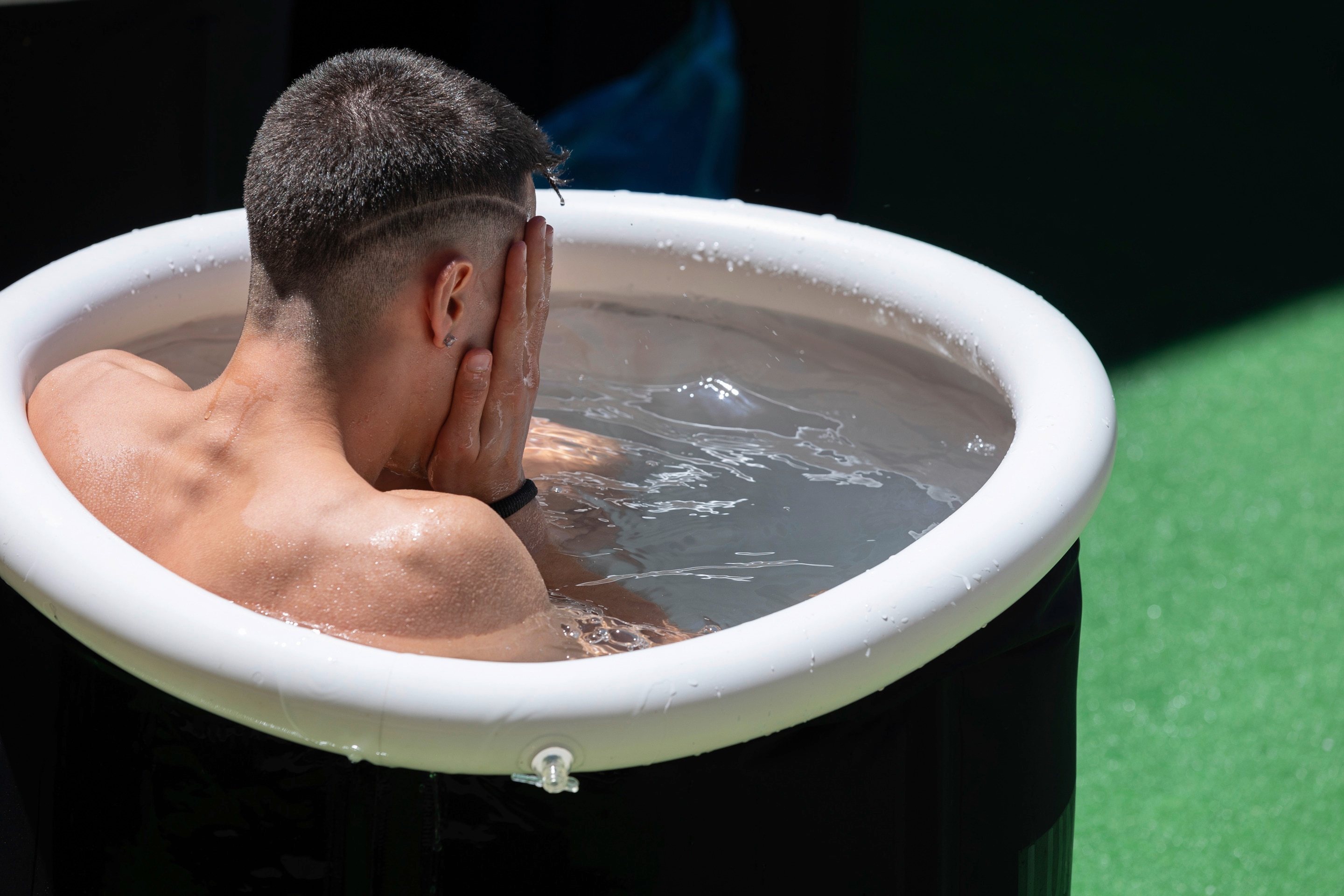
Did you just get bitten by the running bug swiftly infecting couch potatoes and fitness enthusiasts everywhere? Your competitive spirit wants you to clock in more kilometers to make your Strava more impressive, but your muscles are stubbornly disagreeing. The solution? An ice bath after every workout to help your body recover faster. Don’t worry, a DIY cold plunge is so easy, even you can do it – and the perks are definitely worth it.
What Is a Cold Plunge?

A cold plunge or cold-water immersion (CWI) is when you dip yourself in water that's 10 to 15 degrees Celsius. A 2022 study in the International Journal of Circumpolar Health states that winter swimming and ice bathing qualify as cold plunges. These days, social media defines a cold plunge as bathing in chilly, ice-filled water.
Remember the ice bucket challenge a few years back? The concept is similar – as is splashing cold water on your face or a quick icy shower. However, a fast, frosty douse doesn't offer the same whole-body benefits as a full submersion. Most likely, it only shocks your nervous system awake.
Cold Plunge Benefits
According to Harvard Health, the science around cold plunges is thin at best. However, proponents believe this type of cryotherapy helps reduce muscle soreness and boosts physical and mental energy levels.
In fact, another International Journal of Circumpolar Health paper reveals that those who immersed themselves in cold water after strenuous physical activity experienced reduced delayed onset muscle soreness (DOMS) compared to plain, passive rest.
The low temperature constricts the blood vessels in your muscles, helping alleviate inflammation and prompting metabolic waste to pass through your system better. Other research suggests that it also helps improve sleep, hastening recovery further.
While many cold-plunge devotees jump into icy waters after a workout, there are also benefits to including it in your warm-up – ironic, right?
The European Journal of Science reports that CWI is more effective than drinking ice water for pre-cooling – a method used to lower body temperature before exercising in hot conditions – improving core body temperature and overall workout performance.
Meanwhile, the journal Biology postulates that a five-minute cold plunge helps people become more active, alert, inspired, and less anxious. The cold prompts the production of noradrenaline, a neurotransmitter that helps manage stress and boosts energy and focus. This reaction can make you feel more positive and excited. However, the study doesn’t delve into whether this surge impacts exercise.
Making a DIY Cold Plunge
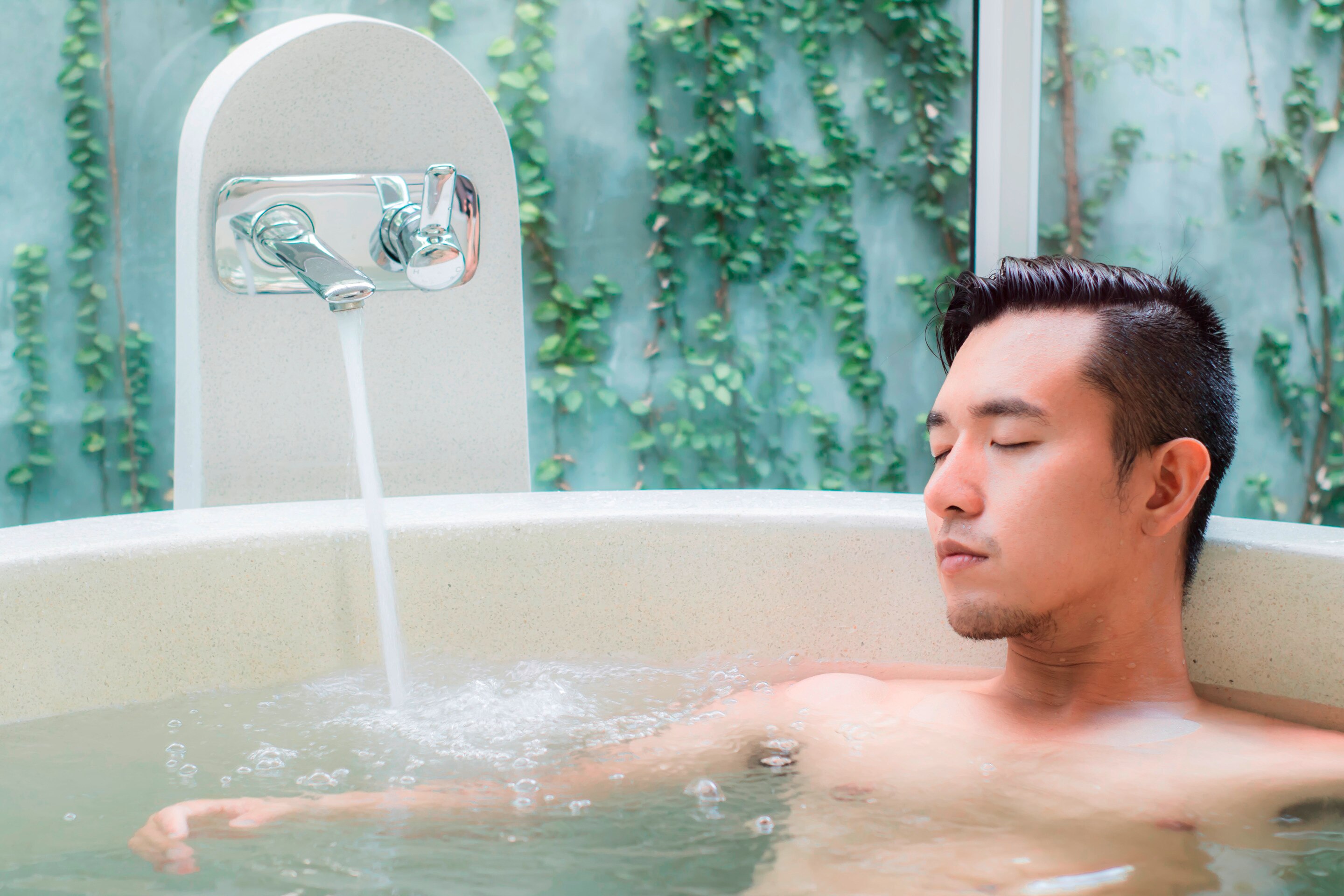
While social media has been blowing up with videos of macho men dipping in icy waters, the concept has long been embraced by professional athletes. However, the ease of creating your own CWI facility and its advantages have made it more appealing to hardcore amateurs.
Now before you dive in, make sure to check with your doctor, especially if you have any health conditions like heart disease, high blood pressure, or circulatory issues. Some medications may also prevent you from immersing yourself in icy waters.
Got clearance? Here’s what you need to make a DIY cold plunge:
1. Get a tub.
Some companies sell tubs specifically for CWI, but the major differences between fancy equipment and an improvision are usually related to volume and temperature control. So, unless ice baths are going to be a regular thing, a DIY cold plunge should suffice.
Lucky if you already have a bathtub at home. But if you don’t, you can easily buy a portable one in Lazada or Shopee. They come in numerous sizes and materials, such as collapsible silicone, foldable PVC, and even wood. You can also create a makeshift one using an inflatable pool or a tank (read: a giant palanggana). You can get a trough or a barrel, depending on your available space.
Whether you’re sitting, squatting, or stretched out doesn’t have much of a difference in terms of effect. However, bear in mind that your tub should be between 18 and 24 inches deep – enough for your body to be submerged from the neck down.
2. Prep the water.
Contrary to how it appears, the water shouldn’t be freezing. Experts recommend between 8 to 15 degrees Celsius for muscle recovery and around 20 degrees Celsius for relaxation.
If your tap has a cold-water option, push it to the highest setting. Add ice to maintain or lower the temperature further.
3. Start slowly.
Unless you’re some kind of Viking (or a Skarsgård), you shouldn’t just jump into icy waters for the heck of it. Don’t shock your system. Submerge yourself in temperatures that are just a little bit outside your comfort zone and use this as your baseline. Lower the temperature as you acclimatize.
Also, don’t be a hero by testing how long you can last in frigid water. Start with 30 seconds to a minute. Increase that gradually with every session. The maximum time you should spend in a cold plunge should be 20 minutes.
If, at any point, you feel uncomfortable or hypothermic (are you shaking uncontrollably?), exit the tub.
4. Warm up immediately.
Get out of the tub carefully – you don’t want to slip and break something. Ease your way back to room temperature with a warm towel or shower.
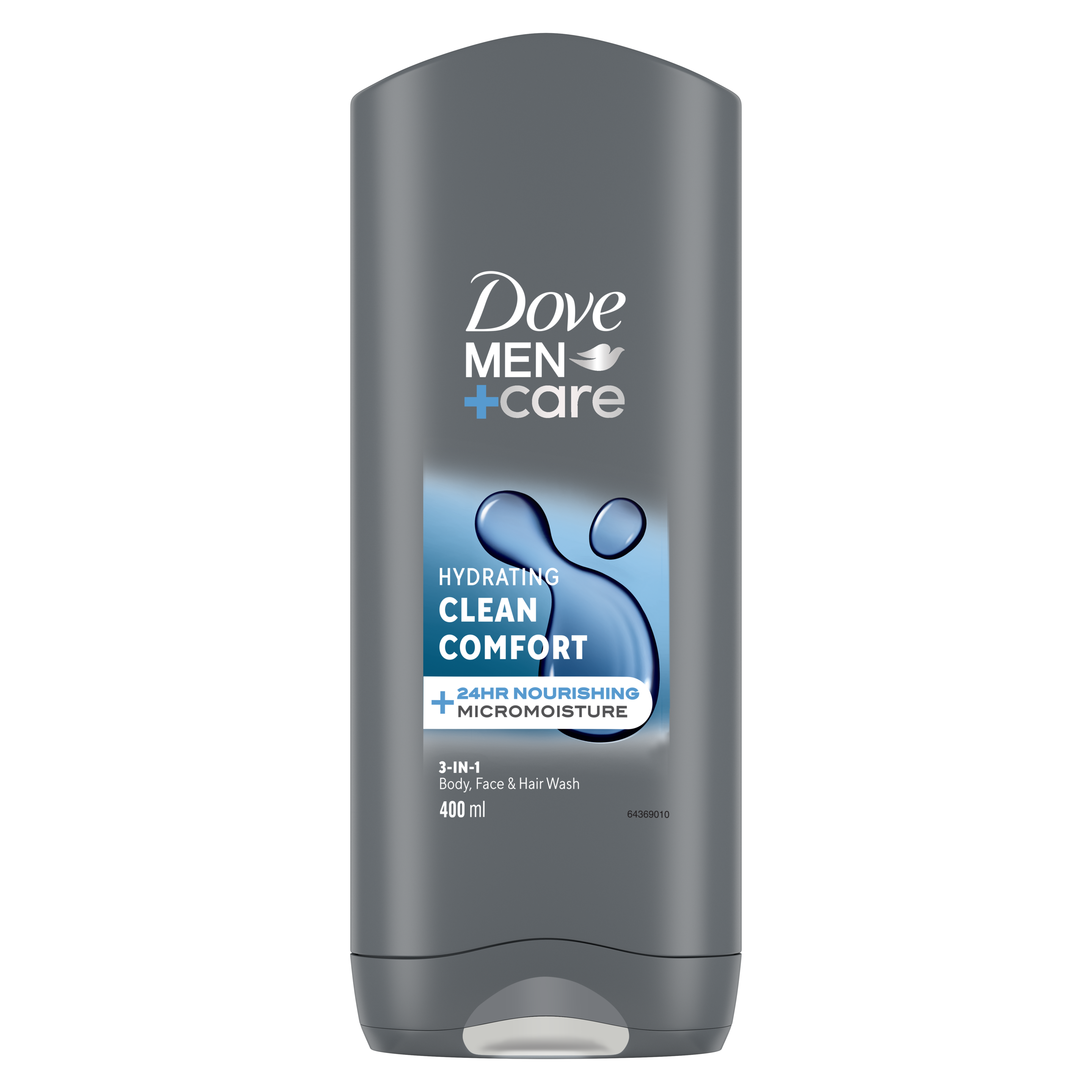
You’ll be so revitalized, you might have enough energy to work out again – that is if you did your DIY cold plunge after a hard training day. Add to that invigorating feeling by showering with Dove Men+Care Body, Face & Hair Wash Clean Comfort. It’s a 3-in-1 product for your hair, face, and body that’ll leave you feeling fresh and hydrated.
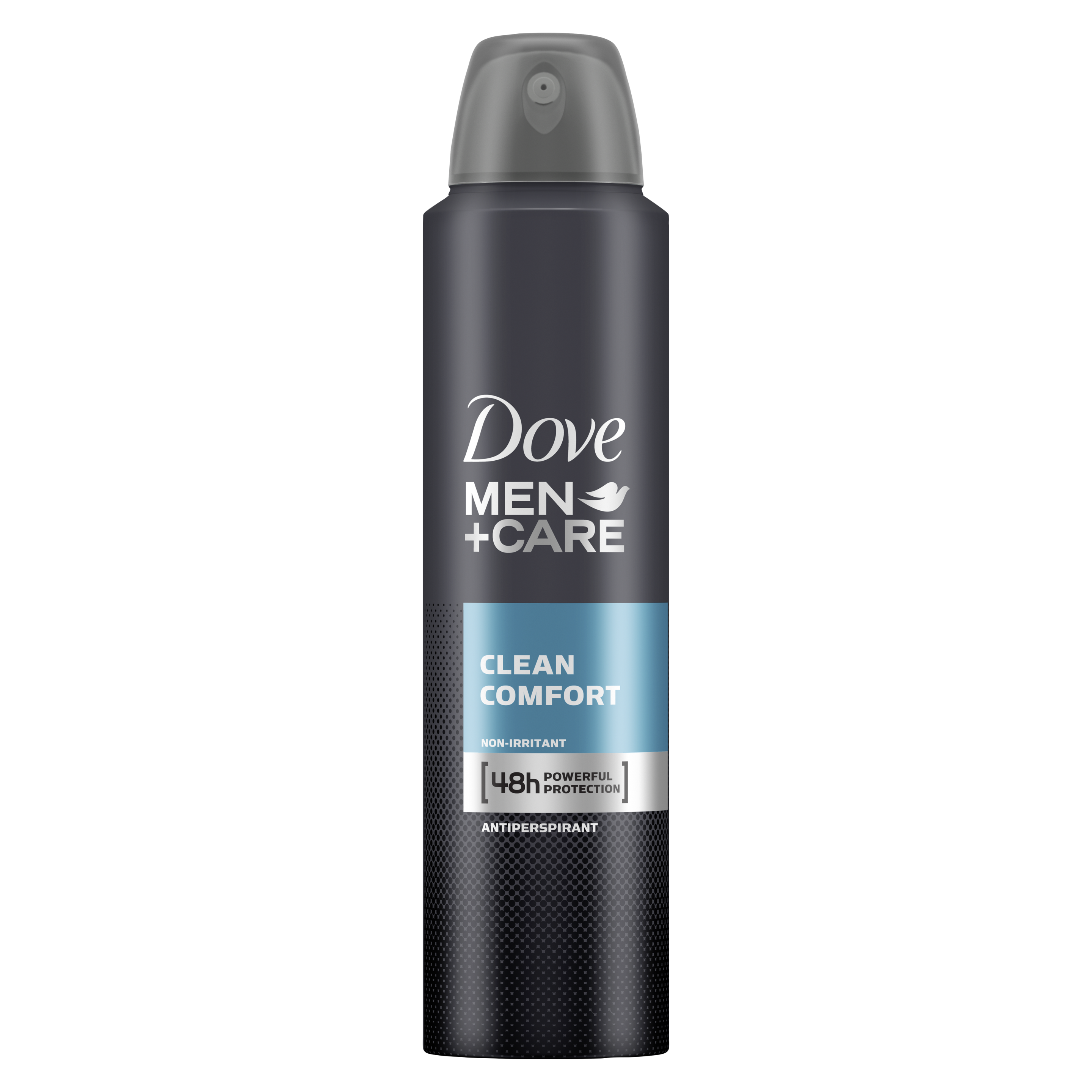
Finish your post-cold plunge routine with Dove Men+Care Deodorant Spray Clean Comfort to protect yourself from sweat and odor for up to 48 hours.
Product
Who knew skipping the water heater could have so many benefits? You don’t have to shell out five figures of your hard-earned cash to do cold-water immersion. A DIY cold plunge tub can do the same job. You’ll not only see your workouts improve, but your mood will get better, too.